
How to see the 'Blood Moon' lunar eclipse
Headline as filed by BBC Science. PageNews does not write or rewrite headlines.
PageNews Brief
2 publishers have filed 2 reports that PageNews has grouped as one story.
The earliest report detected came from BBC Science at 14:54 UTC on 26 August 2026, and the most recent from BBC World 2 days later.
1 of them had filed within an hour of the first report; coverage reached 2 publishers over 2 days.
Blood Moon is named in all 2 reports.
The coverage is filed under Science. Each publisher's own headline, summary and link is below.
Order of coverage
- first BBC Science — earliest coverage indexed by PageNews
- +2d BBC World — latest publisher to join
Names shared across publishers
Details appearing in more than one publisher
Wording appearing in 2 or more publishers’ own summaries, with the number that used each. It records that they used the same words, not that anything is confirmed.
Compiled by PageNews from the reports listed below — counts, timestamps and wording taken from them. No publisher wrote this section.
Coverage from 2 publishers
-
BBC Science
How to see the 'Blood Moon' lunar eclipse
How to see the 'Blood Moon' lunar eclipse
Read on BBC Science → -
BBC World
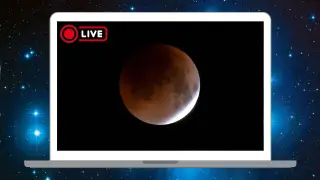
Watch: Stargazers around the world glimpse 'Blood Moon' lunar eclipse
Some parts of the globe had a chance to see the rare event when the Sun, Earth and Moon line up in the night sky.
Read on BBC World →
How the coverage developed
- first BBC Science coverage detected How to see the 'Blood Moon' lunar eclipse
- +2d BBC World coverage detected Watch: Stargazers around the world glimpse 'Blood Moon' lunar eclipse


Reader comments
Comments are written by readers. PageNews does not check them and does not stand behind them, and a name here is a name someone typed, not a person we have identified.
Nobody has commented on this story yet.