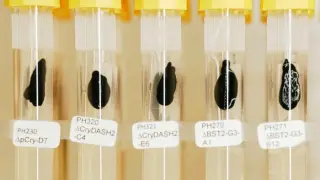
Scientists win 2026 Nobel Prize for controlling brain cells with light
Headline as filed by ScienceDaily.
Compare coverage — 2 reports
| Publisher | Headline | Summary | Published | Detected | Delay | Source | Status |
|---|---|---|---|---|---|---|---|
| ScienceDaily | Scientists win 2026 Nobel Prize for controlling brain cells with light |
A discovery in tiny algae led to a Nobel Prize-winning breakthrough that allows scientists to switch brain cells on and off using light. The revolutionary technique has already helped researchers acti |
0m | sciencedaily.com | First Page headline | ||
| The Guardian Science | The humble one-celled alga that helped scientists win the Nobel prize |
Chlamydomonas and its light-sensing protein help show how memories, feelings and behaviour form in our brainsA tiny alga has helped show how memories, feelings and behaviour form in our brains, in res |
2d | theguardian.com | Latest |
Headlines and summaries belong to the publisher named beside them. “Published” is what their feed stated; “detected” is when PageNews first held the report. Delay is measured from the earliest report on this event and describes timing only.
Coverage analysis
PageNews compared 2 reports of this event against science measures. Each score describes the language one report used, not whether it was right.
What each report emphasised
- ScienceDaily more cooperation framing than the other reports here
Where the reports diverged most
Measured by PageNews from the headline and the publisher’s own summary, not from the full articles. Scores describe word choice and emphasis; the percentage beside each is confidence, which is separate from the score and lower when there was less text to read. How this is measured.
Reader comments
Comments are written by readers. PageNews does not check them and does not stand behind them, and a name here is a name someone typed, not a person we have identified.
Nobody has commented on this story yet.